


The global economy has spent the past few years absorbing one disruption after another. Inflation, supply chain bottlenecks, energy market shocks, and geopolitical conflicts have already raised costs for businesses and households.
Now, another powerful force is gathering momentum. El Niño has officially returned, and experts warn that its effects could reach far beyond weather forecasts.
The last El Niño cycle in 2023 touched nearly every part of daily life. Cocoa shortages pushed chocolate manufacturers to shrink product sizes. Changes in atmospheric conditions altered flight routes across the Atlantic, affecting fuel consumption. Even soap production became more expensive as manufacturers struggled to secure key ingredients.
This latest event may prove even more disruptive.
A Stronger El Niño Takes Shape
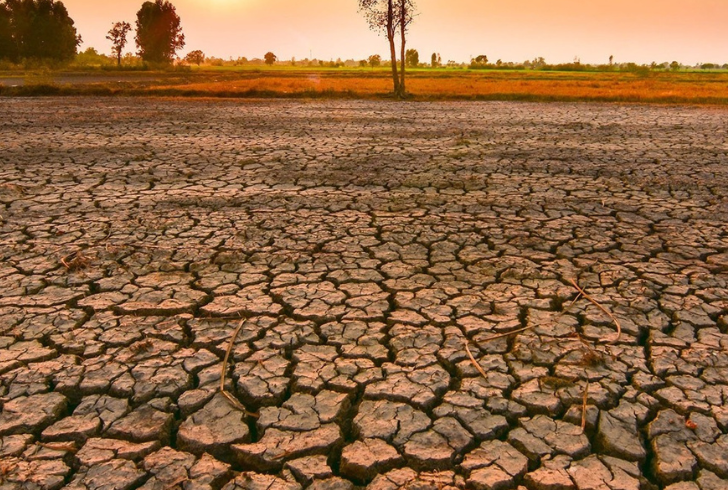
Instagram | newsfliplive | As El Niño strengthens ahead of its winter peak, the risk of global floods, droughts, and heat waves rises.
According to the US Climate Prediction Center (CPC), El Niño conditions emerged in May and are expected to strengthen through the year before peaking during winter. The agency warns that the phenomenon could trigger intense heat waves, severe droughts, and damaging floods across different regions of the world.
The timing raises concerns because many economies are already coping with elevated inflation linked to ongoing geopolitical tensions, including the conflict involving the United States, Israel, and Iran.
Economic forecasts are already reflecting those risks. Even before the CPC officially declared El Niño’s arrival, the US Department of Agriculture projected that domestic food prices could rise by as much as 4.7% in 2026 compared with the previous year. That would mark the largest annual increase in three years.
Products heavily dependent on sugar and cocoa face even steeper increases. The USDA estimates prices for those goods could climb by as much as 8.4%. According to London-based financial services firm Marex Group, sugar and cocoa remain among the crops most vulnerable to drought conditions linked to El Niño.
History offers a warning. A Dartmouth College study found that the powerful El Niño event of 2015 and 2016 resulted in more than $7.8 trillion in lost productivity worldwide. The economic damage continued long after weather conditions returned to normal.
What Is El Niño?
El Niño, Spanish for “the child,” received its name from Peruvian fishermen during the 1600s because they noticed the warming ocean pattern around Christmas, which is associated with the birth of baby Jesus.
The phenomenon occurs when surface temperatures in the Pacific Ocean remain unusually warm for an extended period. As ocean temperatures rise, trade winds weaken and sometimes reverse direction. This process creates shifts in atmospheric pressure that influence weather patterns around the globe.
The result is a dramatic imbalance. Some regions experience excessive rainfall and flooding, while others face prolonged drought and extreme heat.
For centuries, El Niño followed a relatively predictable cycle. Climate change, however, has altered the equation.
Climate Change Is Raising the Stakes
Warmer oceans and increased atmospheric moisture have intensified many weather systems. As a result, scientists have adjusted the way El Niño is measured because average ocean temperatures are now significantly higher than in previous decades.
Current projections suggest this episode could rival the major El Niño events of the early 1980s and late 1990s. Some meteorologists have even described it as a “super” El Niño.
Sarah Kapnick, global head of climate advisory at JPMorgan Chase & Co., summarized the concern clearly:
“The simple thing I say is: Expect more volatility with an El Niño.”
She added that the risks extend beyond regions traditionally viewed as vulnerable.
While every El Niño develops differently, forecasters are watching closely. Emma Sanig, meteorologist and research analyst at Marex, noted:
“Given the lead time with this, we're still very cautious that things can slow down or speed up over the next few months.”
Even so, previous cycles provide valuable clues about what may happen next.
Food Prices Face Growing Pressure
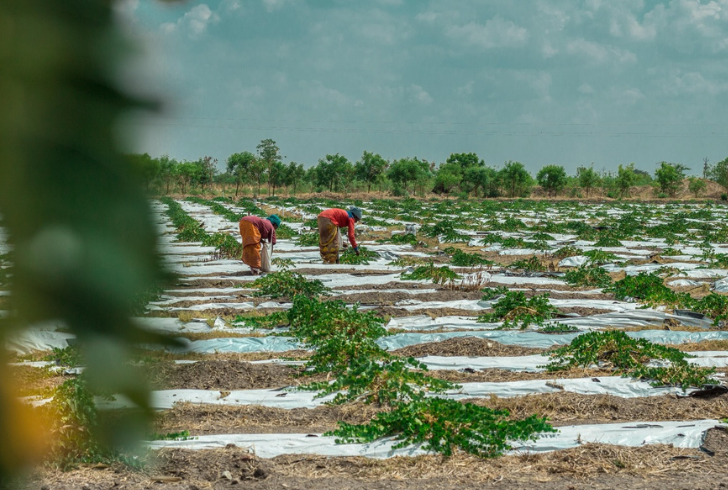
Instagram | fionaarakal | Declining rainfall and extreme heat from past events have repeatedly cut crop production across continents.
Agriculture often sits at the center of El Niño's economic impact.
Past events have brought record-breaking temperatures and widespread drought conditions. Crops in Southeast Asia, Australia, and West Africa frequently suffer from reduced yields when rainfall declines.
India is already facing concerns. The country's monsoon season arrived late, and forecasts suggest rainfall may be roughly 10% below normal levels. Lower rainfall could create water shortages and reduce the production of rice, sugar, and oilseed crops used in cooking oils and cosmetic products.
Farmers can compensate through irrigation pumps powered by diesel fuel. Yet that solution comes with higher costs because disruptions linked to the conflict involving Iran continue to affect global crude oil flows.
The combination of rising energy costs and weaker agricultural output presents a difficult challenge for central banks attempting to manage inflation while considering interest rate decisions.
At the same time, parts of Latin America often experience heavy rainfall during El Niño years. While additional rain may sound beneficial, it frequently arrives during coffee and cocoa harvest seasons. Excess moisture can delay transportation and make it harder to move crops to market.
Cotton production also tends to suffer during major El Niño periods. Reduced supply can increase costs for clothing manufacturers, diaper producers, and medical equipment suppliers.
Energy and Infrastructure Risks
The economic impact extends well beyond farms.
Extreme heat typically increases electricity demand as homes and businesses rely more heavily on cooling systems. Utilities must generate more power to meet that demand, often at higher costs.
Past El Niño cycles have also strengthened typhoons capable of damaging coastal energy infrastructure. In Japan, prolonged storm activity can reduce solar power generation by blocking sunlight from reaching solar arrays. When that happens, utilities often rely on fossil fuels to fill the gap.
Property insurers are paying close attention as well.
Current US forecasts suggest a quieter-than-average hurricane season in 2026. Despite that outlook, risk assessments remain elevated.
Liz Henderson, head of climate risk advisory at global reinsurance broker Aon Plc, said many clients are reassessing reserves in preparation for potential storms.
According to Henderson:
“If there is an event, it could be more expensive.”
Higher rebuilding costs would affect insurers, businesses, and homeowners alike.
Why This Cycle May Be More Damaging
One factor makes this El Niño especially concerning.
Many businesses have already altered sourcing strategies because of disruptions tied to the conflict involving Iran and shipping challenges around the Strait of Hormuz. Companies have spent years searching for backup suppliers and alternative materials.
Agriculture offers a clear example.
Facing higher costs and tighter supplies, some farmers have reduced fertilizer use. Others have switched to lower-cost alternatives such as manure, almond shells, or urine-based products.
Lower fertilizer application often leads to weaker harvests. If El Niño brings additional drought or flooding, those existing vulnerabilities could become even more severe.
Lower-income countries face greater exposure because food represents a larger share of household spending.
The Food and Agriculture Organization of the United Nations has already warned of increasing food insecurity and water shortages across Latin America and the Caribbean. Similar concerns are emerging in parts of southern Africa.
UN Secretary-General António Guterres delivered a stark warning in early June:
“El Niño conditions will pour fuel on the fire of a warming world.”
He added:
“Impacts will hit even harder, travel even further, and cross borders with devastating speed.”
Supply Chains Could Feel the Shock Again
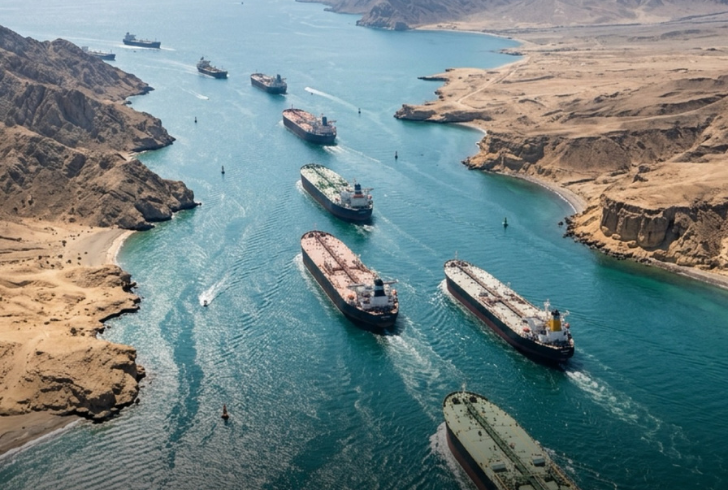
Instagram | forbesmiddleeast | Shipping disruptions in the Strait of Hormuz have driven companies to secure alternative suppliers and materials.
The previous El Niño cycle highlighted how weather disruptions can ripple through global trade networks.
During 2023 and 2024, drought conditions lowered water levels in the Panama Canal, limiting the number of cargo ships able to pass through safely. Shipping delays affected the movement of goods worldwide, including liquefied natural gas shipments that many countries depend on for electricity generation.
Learning from that experience, the Panama Canal Authority began water conservation measures in December 2025, months before the latest El Niño emerged.
The authority is now preparing for an extended dry season expected to arrive earlier than normal.
Ricaurte Vásquez Morales, administrator of the Panama Canal Authority, explained the strategy:
“We have made early decisions to operate as if we were in some water-restrictive condition, which we are.”
Another example emerged in Peru this May when authorities suspended anchovy fishing because warming ocean temperatures reduced fish populations.
Although anchovies rarely appear on shopping lists, they play an important role in global food production. Much of Peru's catch is processed into fishmeal and fish oil used to feed farmed fish, poultry, and pigs.
Reduced supplies could eventually raise production costs across multiple categories of animal protein, placing additional pressure on consumers already dealing with elevated food prices.
The Economic Outlook Ahead
El Niño does not guarantee negative outcomes everywhere. Historically, it has eased drought conditions in Southern California and often reduces Atlantic hurricane activity. Yet recent years have shown that warming oceans can alter those patterns.
In 2023, meteorologists expected El Niño to suppress Atlantic storms. Instead, the region experienced one of its busiest hurricane seasons on record as unusually warm ocean waters fueled tropical systems.
That unpredictability is what worries economists and climate experts most.
As weather extremes become more intense, El Niño's influence reaches deeper into food production, energy markets, transportation networks, insurance costs, and global trade. With inflation already elevated and supply chains still vulnerable, the world enters this cycle with far less room for error than in previous decades.
The months ahead will reveal the full scale of the impact, but one reality is already clear: El Niño is no longer just a weather event. It has become a significant economic force with consequences that can be felt far beyond the regions where storms form or rainfall disappears.

