


Chinese President Xi Jinping has implemented several significant policies that have impacted China's economy. From cracking down on the property market to reining in big tech, Xi has pursued these changes with a specific goal: to prevent China's economy from facing a perilous decline.
However, while these measures may have had their intended effects, they have also introduced certain risks, including destabilizing the country's bureaucracy and sparking public discontent. This article will delve into Xi Jinping's economic policies and their implications.
Cracking Down on the Property Sector
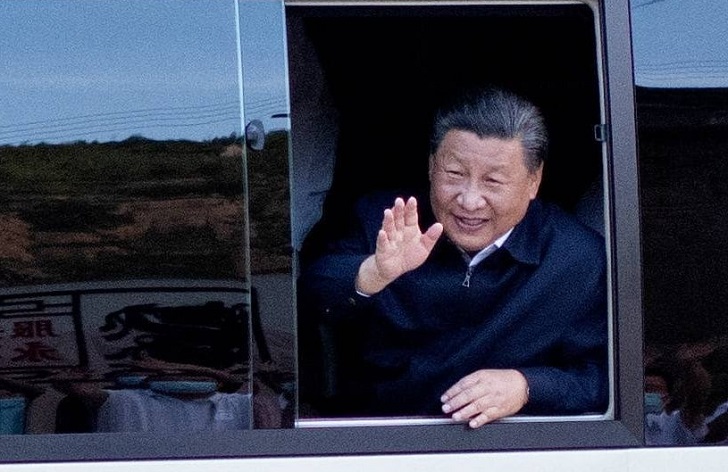
realxijinping/ Instagram | It will be years before high-end manufacturing can replace property investments as the new growth engine
One of Xi Jinping's most notable policies has been his crackdown on the housing sector, which began in late 2020 with stricter oversight of developer debt. In the past two years, home prices in over half of China's tier-2 and tier-3 cities have plummeted by at least 15% from their peak.
This crackdown was driven by the realization that the property sector was absorbing excessive capital. As of 2018, real estate investments comprised nearly 20% of China's GDP, yet they only employed 2% of the workforce.
Most of the industry's 16 million workers were low-paid migrants, toiling long hours on construction sites, while top executives amassed immense fortunes. For example, China Evergrande Group's founder, Hui Ka Yan, once the country's richest man, is now under criminal investigation following his company's default on dollar bonds in 2021.
The property boom also exacerbated wealth inequality, making housing unaffordable for many Chinese citizens. According to the International Monetary Fund, average sales prices in small cities were nearly double those in large OECD cities.
The Rise and Fall of Developers
Developers relied on a pre-sales model to expedite profits, where apartments were often sold 18 months to two years before completion. This model allowed developers to access buyers' down payments and mortgage proceeds early, incentivizing them to begin construction swiftly. By 2020, as the government clamped down on regulations, the floor space under construction exceeded completed projects by 10.
By the end of 2022, cash-strapped developers could not complete pre-sold homes, resulting in an 18-fold increase in the ratio of unfinished-to-completed housing. At Country Garden Holdings Co., once China's largest builder, nearly half of its $200 billion debt was contract liabilities from pre-sale deposits.
Manufacturing Decline and Xi's Policy Rationale
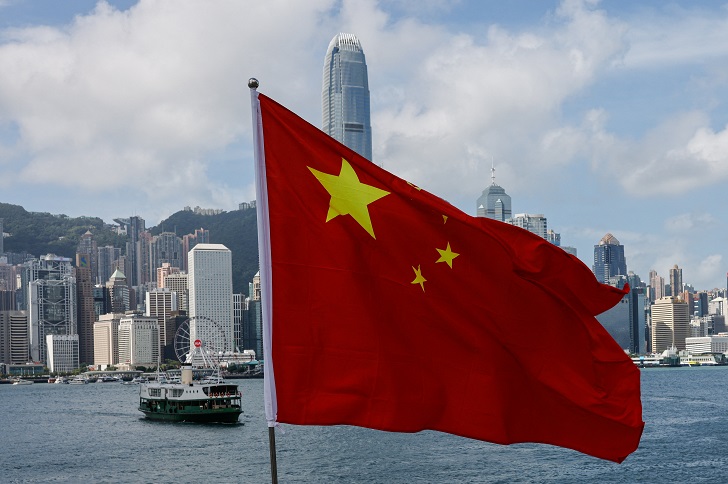
Pixabay/ Pexels | The property market crisis resulted in angry homebuyers staging protests and threatening mortgage boycotts.
China's shift away from manufacturing was another factor behind Xi Jinping's policies. In 2020, value added from manufacturing accounted for only 26% of GDP, down five percentage points from a decade earlier. China's manufacturing prowess was increasingly moving to countries like Vietnam and Mexico.
Xi's policies, such as "housing is to be lived in, not speculated on" and the "common prosperity" drive, aimed to reduce reliance on property and revitalize the middle class. His "Made in China 2025" initiative sought to reinvigorate manufacturing.
Unintended Consequences
While Xi's policies had their merits, they also generated unintended consequences. His actions not only upset the private sector but also local officials. A tax-sharing reform 1994 diverted revenue to the central government, forcing municipalities to rely on land sales and borrow from local government financing vehicles (LGFVs) to cover expenses.
In 2022, as developers struggled, revenue from land sales dropped by 23%, weakening local governments' finances. Local governments' share of general expenditure reached 86%, causing fiscal deficits to widen. This situation left local officials dependent on LGFVs, which saw their liabilities rise to 57 trillion yuan in 2022, equivalent to 48% of China's GDP.
This worsening fiscal situation frustrated Xi Jinping, who had previously attempted to address LGFV debt during his first term. Now, provinces are cutting civil servant pay and lobbying for central government bailouts.

Lian Rodriguez/ Pexels | A slowing economy hurts the masses the most
Public Dissatisfaction
As the property market crisis unfolded, disgruntled homebuyers staged protests and threatened mortgage boycotts. Even the "common prosperity" drive failed to meet its objectives, with a slowing economy disproportionately affecting the masses.
With high homeownership rates and significant youth unemployment, it's safe to say that Xi Jinping's policies have left many Chinese citizens unhappy. Unfortunately, without approval ratings polls or uncensored social media, it's challenging to gauge the exact extent of Xi's popularity.
A Slow Transition
Xi Jinping's efforts to steer China away from a property-driven growth model are showing some signs of success, as people become more cautious with their investments. However, it will take time for high-end manufacturing to replace property investments as the new growth engine.

